15 Mar, 2026
The Role of Precision Machined Parts in Modern Automotive Manufacturing

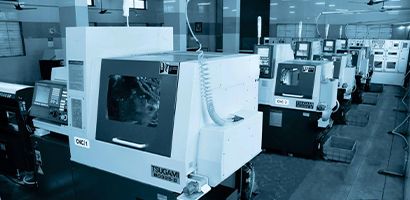
At Jay Ashapura Precision Metals Pvt. Ltd., precision engineering and innovation come together to create outstanding solutions for a global market.
.webp)
1. Introduction:
Workplace safety is a top priority for every organization. One of the most critical aspects of safety is fire prevention and protection. Fire incidents can cause severe damage to property, disrupt business operations, and most importantly, threaten human lives. Implementing comprehensive fire safety systems is essential for modern workplaces to ensure protection, compliance and peace of mind.
2. Understanding Fire Safety Systems:
Fire safety systems are a combination of equipment, strategies and protocols designed to prevent fires, detect them early and ensure safe evacuation. These systems aim to minimize damage, reduce fire-related risks and save lives. Modern fire safety systems integrate advanced technology, making workplaces safer and compliant with local fire regulations.
3. Importance of Fire Safety in Workplaces:
4. Types of Fire Safety Systems:
Modern workplaces use various fire safety systems, including:
a. Fire Detection Systems:
b. Fire Suppression Systems:
c. Fire Alarm Systems:
d. Emergency Evacuation Systems:
5. Fire Safety Regulations and Compliance:
Companies must comply with local fire safety codes and standards. Common regulatory requirements include:
6. Implementing a Fire Safety System in Your Company:
7. Maintenance and Testing of Fire Safety Systems:
Fire safety systems require routine checks to remain effective:
8. Why Investing in Fire Safety Systems is Crucial?
Investing in fire safety is not just a legal requirement but also a strategic business decision:
9. FAQs:
Q1: What is the most effective fire safety system for offices?
A: A combination of smoke detectors, sprinkler systems, fire alarms and emergency evacuation plans is most effective.
Q2: How often should fire safety systems be tested?
A: Monthly checks for alarms and lights and annual testing for sprinklers and suppression systems.
Q3: Are fire safety drills necessary for all employees?
A: Yes, regular drills ensure everyone knows evacuation routes and safety protocols.
Q4: Can fire safety systems reduce insurance premiums?
A: Yes, insurers often offer lower premiums to companies with certified fire safety systems.
10. Conclusion:
Fire safety systems are an indispensable part of modern workplaces. From preventing disasters to ensuring regulatory compliance, investing in a comprehensive fire safety strategy protects both human lives and business assets. Companies must prioritize regular maintenance, employee training and compliance audits to ensure their fire safety systems remain effective.
Prioritize fire safety today to secure your company’s future.
Copyrights © 2026 Jay Ashapura Precision Metals Pvt. Ltd.. All Rights Reserved.
Develop By : Design 2 Develop India