15 Mar, 2026
The Role of Precision Machined Parts in Modern Automotive Manufacturing

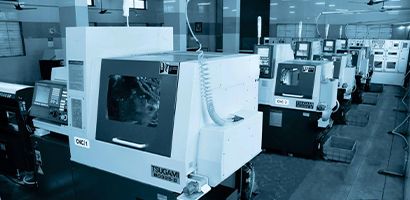
At Jay Ashapura Precision Metals Pvt. Ltd., precision engineering and innovation come together to create outstanding solutions for a global market.
.webp)
1. Introduction:
In any fluid handling or piping system, preventing backflow is critical. One essential component designed for this purpose is the spring check valve. These valves ensure unidirectional flow, protect equipment and maintain system efficiency across industries ranging from oil and gas to water treatment and chemical processing.
This blog provides an in-depth look at what a spring check valve is, how it functions, its key components and why it's a preferred choice for many engineering systems.
2. What Is a Spring Check Valve?
A spring check valve is a type of non-return valve (NRV) that uses a spring mechanism to allow fluid flow in one direction and prevent it from flowing backward. It operates automatically, requiring no manual or external control. When the pressure on the inlet side exceeds the spring tension and backpressure, the valve opens to allow flow. When the pressure drops or reverses, the spring quickly closes the valve, preventing reverse flow.
3. How Does a Spring Check Valve Work?
The working principle of a spring check valve revolves around differential pressure and spring tension:
This quick-response mechanism minimizes water hammer and pressure loss in pipelines.
4. Key Design Features:
Some designs also include dampers or silencers to reduce noise and vibration in high-speed flows.
5. Materials Used in Spring Check Valves:
Spring check valves are available in various materials to suit different media and pressure conditions:
Springs are typically made of stainless steel for durability and corrosion resistance.
6. Types of Spring Check Valves:
1.Inline Spring Check Valve
2.Threaded or Socket-Weld Spring Check Valve
3.High-Pressure Spring Check Valve
4.Wafer Type Spring Check Valve
Each type is selected based on system design, pressure ratings and required flow capacity.
7. Applications of Spring Check Valves:
Their versatility makes them suitable for both clean fluids and slightly viscous media.
8. Advantages of Spring Check Valves:
9. Common Industries That Use Spring Check Valves:
10. FAQs:
Q1: What is the difference between a check valve and a spring check valve?
A: While all check valves prevent backflow, a spring check valve uses a spring-loaded mechanism for quick closure, offering better protection against pressure surges and backflow than gravity-dependent types.
Q2: Can spring check valves be installed in any position?
A: Yes, most spring check valves can be installed horizontally or vertically, provided flow direction is maintained.
Q3: How do I know if my spring check valve is working?
A: Look for signs like reverse flow, unusual pressure loss or noise. If any of these occur, inspect for worn-out springs or blocked discs.
Q4: Do spring check valves need regular maintenance?
A: Generally low-maintenance, but periodic inspections are recommended, especially in high-temperature or corrosive environments.
Q5: Can spring check valves handle solids or slurry?
A: They're not ideal for systems with heavy solids. Swing check valves or tilting disc valves may be better suited for such media.
11. Conclusion:
A spring check valve is a critical component in fluid control systems where preventing reverse flow is essential. With its automatic operation, compact design and reliable performance, it offers long-term protection and efficiency. Choosing the right type and material ensures optimum functionality for your specific application.
For manufacturers, engineers and system designers, understanding the nuances of spring check valves is crucial to maintaining system integrity and ensuring safety.
Copyrights © 2026 Jay Ashapura Precision Metals Pvt. Ltd.. All Rights Reserved.
Develop By : Design 2 Develop India