15 Mar, 2026
The Role of Precision Machined Parts in Modern Automotive Manufacturing


At Jay Ashapura Precision Metals Pvt. Ltd., precision engineering and innovation come together to create outstanding solutions for a global market.
1. Introduction:
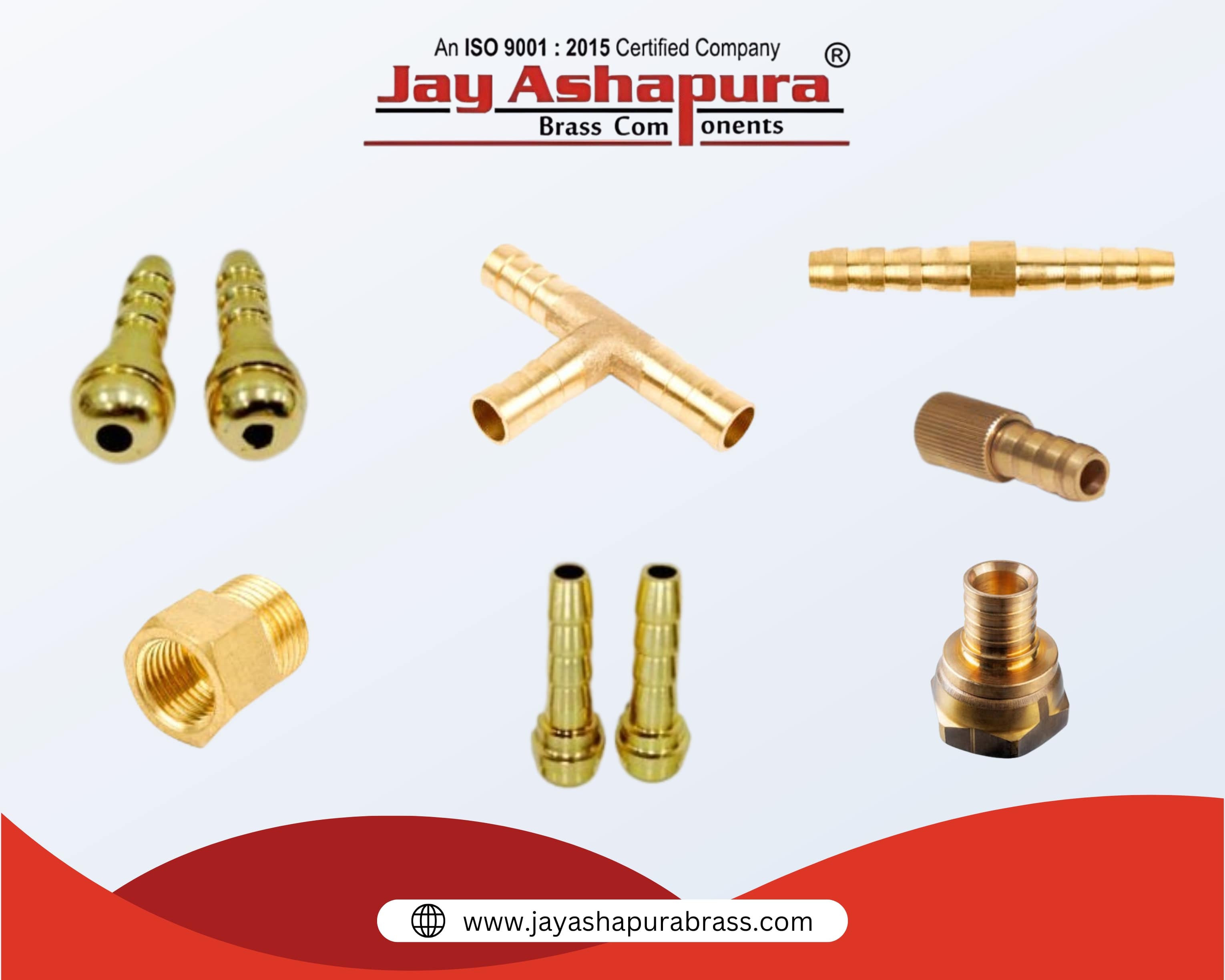
Gas systems are critical to industrial, residential and commercial operations—and the components used in these systems must meet the highest standards of safety and performance. One such critical component is the brass hose nipple. Despite its small size, this connector plays a vital role in ensuring secure and efficient gas flow.
In this blog, we’ll explore how to choose the right brass hose nipple for your gas system, helping you make informed and technically sound decisions.
2. The Importance of Correct Hose Fittings in Gas Systems:
Gas fittings must handle high pressure, prevent leaks and operate reliably in various environments. Using an incorrect or substandard fitting can result in:
This is why selecting the right brass hose nipple tailored to your gas system specifications is essential.
3. Why Brass Is the Preferred Material for Gas Hose Nipples?
Brass is widely used in gas fittings due to its superior mechanical and chemical properties:
Its non-sparking characteristics also make brass a safer choice in potentially flammable environments.
4. Types of Brass Hose Nipples and Their Applications:
Different gas applications require different nipple types. Here are common variants:
|
Type |
Description |
Typical Use |
|
Barbed Hose Nipple |
Ridges for flexible hose attachment |
Gas cylinders, residential gas lines |
|
Threaded Nipple (NPT/BSPT) |
Male thread on one or both ends |
Industrial gas manifolds, regulators |
|
Hex Nipple |
Central hex for easy wrench tightening |
High-pressure gas equipment |
|
Reducer Nipple |
Connects hoses of different diameters |
Mixed gas distribution systems |
Always select a nipple type that aligns with your system’s hose type, thread specification and pressure requirements.
5. Key Factors to Consider When Selecting a Brass Hose Nipple:
Here’s what to evaluate when choosing the right brass hose nipple:
a) Gas Type:
Check compatibility with natural gas, propane, LPG or other specific gases.
b) Pressure Rating:
Confirm the working pressure aligns with your system’s operating conditions.
c) Thread Type and Size:
Choose between NPT, BSPT or metric threads as per your local or international system standards.
d) Hose Inner Diameter:
The nipple must match the hose’s internal diameter to avoid pressure loss or leakage.
e) Environmental Conditions:
For outdoor or corrosive environments, consider nickel-plated brass for added resistance.
f) Certifications and Standards:
Ensure components comply with relevant standards such as ISO, ASTM, RoHS and CSA.
6. Custom Solutions for Specialized Gas Applications:
Standard brass hose nipples may not always meet the unique requirements of specialized systems, especially in industries such as:
In such cases, manufacturers like Jay Ashapura Brass Components offer custom-manufactured brass nipples based on CAD drawings or specific system parameters. This ensures an exact fit, optimal performance and long-term safety.
7. Maintenance Tips for Long-Term Performance:
To maximize the reliability and life of your brass hose nipples in gas applications:
Preventive maintenance not only extends the lifespan of the fittings but also safeguards your entire gas distribution system.
8. FAQs: Brass Hose Nipples for Gas Applications:
Q1. Are brass hose nipples safe for natural gas?
Yes, brass hose nipples are widely used and safe for natural gas due to their corrosion resistance and durability. Ensure they are certified and compatible with your system.
Q2. Can I use the same brass nipple for propane and butane?
Most brass nipples are compatible with both propane and butane. However, always confirm with the supplier regarding compatibility and pressure ratings.
Q3. What’s the difference between BSP and NPT threads?
BSP (British Standard Pipe) and NPT (National Pipe Thread) differ in thread angle and pitch. They are not interchangeable, so always match the thread type with your system standard.
Q4. Do brass hose nipples require sealing tape?
Yes, for threaded nipples, Teflon tape or an approved thread sealant is typically used to ensure gas-tight connections.
Q5. Can I get custom brass hose nipples based on my own design?
Absolutely. Many manufacturers, including Jay Ashapura Brass Components, offer custom brass fittings based on technical drawings and gas system specifications.
9. Conclusion:
Choosing the right brass hose nipple is essential to maintaining the safety, reliability and efficiency of your gas system. By understanding the application requirements, material properties, standards and available customizations, you can make informed decisions that ensure long-term performance.
Whether you need standard or custom brass hose nipples, always source from certified, experienced manufacturers who understand the critical nature of gas systems. With over decades of expertise, Jay Ashapura Brass Components can assist with precision-engineered brass solutions tailored to your specific needs.
Copyrights © 2026 Jay Ashapura Precision Metals Pvt. Ltd.. All Rights Reserved.
Develop By : Design 2 Develop India