15 Mar, 2026
The Role of Precision Machined Parts in Modern Automotive Manufacturing

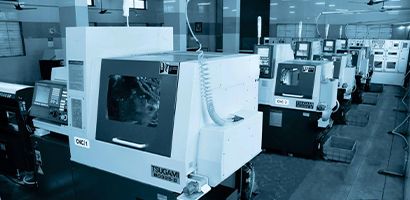
At Jay Ashapura Precision Metals Pvt. Ltd., precision engineering and innovation come together to create outstanding solutions for a global market.
.webp)
1. Introduction:
As the global transition toward renewable energy accelerates, solar power continues to emerge as a leading solution. However, the efficiency and durability of any solar power system heavily rely on one critical yet often overlooked element, the mounting structure. These frameworks not only support the solar panels but also ensure they remain optimally positioned over time in varying environmental conditions.
2. What Are Solar Panel Mounting Structures?
Solar panel mounting structures are engineered metal frameworks designed to hold photovoltaic (PV) panels securely in place. These systems can be installed on rooftops, ground surfaces, poles or floating platforms, depending on the application and geographic conditions. Their main function is to keep solar panels aligned for maximum sun exposure while withstanding wind, rain, snow and seismic activity.
3. Importance of Mounting Structures in Solar Power Systems:
Beyond just holding panels in place, mounting structures play a crucial role in:
4. Types of Solar Mounting Structures:
The choice of mounting structure varies based on installation location and energy generation goals. The most common types include:
Each structure type requires specific configurations of metal components that ensure performance and compliance with industry standards.
5. Materials Used in Solar Mounting Components:
The choice of material directly impacts the structural integrity, corrosion resistance and cost-effectiveness of the mounting system. Common materials include:
6. Key Metal Components Manufactured for Solar Structures:
At Jay Ashapura Brass Components, we specialize in the custom manufacturing of precision metal components that are critical to solar mounting structures. These include:
All components are engineered to exact client specifications using advanced CAD models and are available in aluminium, stainless steel, galvanized iron and high-performance alloys. Our manufacturing capabilities support both large-scale solar infrastructure projects and niche system integrators needing small-batch or prototype runs.
7. Design Considerations for Structural Reliability:
Solar mounting structures must be designed to accommodate site-specific variables such as:
Our team ensures that every component is manufactured with dimensional accuracy, material strength and finish quality that align with global engineering and installation standards (including ISO 9001:2015 compliance).
8. Why Source Solar Structure Components from a Custom Metal Manufacturer?
Choosing a custom metal component manufacturer provides several competitive advantages:
With over decades of experience, Jay Ashapura Brass Components delivers reliable, precision-engineered parts to solar structure manufacturers and EPC contractors worldwide.
9. Conclusion:
Solar panel mounting structures are the backbone of any successful PV installation and their performance is only as strong as the metal components that build them. From mounting brackets to grounding hardware, choosing a reliable manufacturing partner ensures that your solar systems are safe, efficient and built to last.
At Jay Ashapura Brass Components, we’re proud to support the renewable energy industry with expertly crafted, corrosion-resistant components made to global standards. Whether you’re developing a rooftop system or a large-scale solar farm, we deliver the metal solutions that power your projects.
10. FAQs:
Q1. What materials are best suited for solar panel mounting structures?
Answer:
The most commonly used materials are aluminium, galvanized steel and stainless steel. Aluminium is lightweight and corrosion-resistant, making it ideal for rooftop installations. Galvanized steel offers high strength and is cost-effective for ground-mounted systems, while stainless steel is preferred in coastal or high-humidity environments due to its superior corrosion resistance.
Q2. Are custom components better than standard off-the-shelf parts for solar structures?
Answer:
Yes. Custom components provide a precise fit, better mechanical compatibility and can be tailored for specific site or structural requirements. This leads to improved system performance, easier installation and long-term reliability, especially for large-scale or complex projects.
Q3. What types of metal components are essential in a solar mounting structure?
Answer:
Key components include mounting brackets, support rails, clamps (end and mid), base plates, bolts, nuts, grounding lugs, U-bolts and saddle clamps. These parts work together to ensure that the solar panels are firmly secured, correctly oriented and able to withstand environmental stress.
Q4. Can you manufacture components based on custom designs or CAD drawings?
Answer:
Absolutely. At Jay Ashapura Brass Components, we specialize in custom manufacturing based on client-specific CAD designs and dimensional requirements. Our advanced CNC machining and precision engineering processes ensure high-quality output across small, medium or large production runs.
Q5. Do you supply solar structure components internationally?
Answer:
Yes. We serve clients across the globe with reliable logistics support and timely delivery. Our ISO 9001:2015-certified processes and commitment to international standards make us a trusted partner for global solar projects.
Copyrights © 2026 Jay Ashapura Precision Metals Pvt. Ltd.. All Rights Reserved.
Develop By : Design 2 Develop India