15 Mar, 2026
The Role of Precision Machined Parts in Modern Automotive Manufacturing

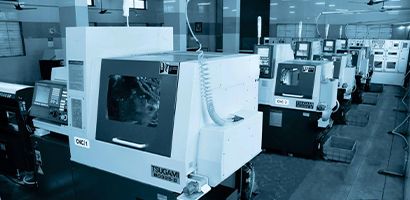
At Jay Ashapura Precision Metals Pvt. Ltd., precision engineering and innovation come together to create outstanding solutions for a global market.
.webp)
1. Introduction:
In today’s fast-paced industrial world, strength, durability and precision are non-negotiable when it comes to metal components. One manufacturing process that checks all these boxes is metal forging. From automotive drive shafts to aerospace fasteners, forged metal components are at the heart of critical engineering applications.
This guide explores everything you need to know about forged components—what they are, how they’re made, their advantages and their diverse uses.
2. What are Forged Metal Components?
Forged metal components are parts created by deforming metal using compressive force—usually with hammers, presses or dies. The goal is to reshape the raw metal into a desired form while improving its mechanical properties.
Unlike cast parts, forging aligns the grain structure of the metal along the lines of the part’s shape, enhancing its strength and fatigue resistance.
3. Forging vs Casting: Key Differences:
|
Feature |
Forging |
Casting |
|
Process |
Deformation via force |
Pouring molten metal into a Mold |
|
Grain Structure |
Oriented and compact |
Randomized and potentially porous |
|
Strength |
Higher mechanical strength |
Lower strength unless heat-treated |
|
Material Waste |
Minimal |
Can be higher |
|
Ideal For |
High-strength applications |
Complex shapes and large parts |
Forging is preferred when performance, toughness and fatigue resistance are essential.
4. Types of Forging Processes:
There are several forging methods, each suitable for different needs:
Each process offers distinct benefits depending on the material, size and complexity of the component.
5. Advantages of Forged Components:
Choosing forged metal components brings multiple benefits:
These benefits make forged parts indispensable in industries where failure is not an option.
6. Applications Across Industries:
Forged components are used in a wide array of industries due to their robustness and performance:
These industries rely on forging for safety-critical and high-load components.
7. Common Materials Used in Forged Components:
The forging process is suitable for a variety of ferrous and non-ferrous metals, including:
Each material offers different properties such as corrosion resistance, thermal conductivity or strength-to-weight ratio, allowing forged components to be tailored to specific applications.
8. Custom Forged Metal Components: Why It Matters?
Standard off-the-shelf parts don’t always meet project-specific needs. That’s where custom forged components play a crucial role. Whether it’s a unique dimension, special material grade or tight tolerance, custom forging provides:
Partnering with a forging manufacturer that offers CAD/CAM support and small-to-large batch production gives you the competitive edge in both innovation and cost control.
9. Why Choose a Trusted Forged Components Manufacturer?
Choosing the right manufacturer ensures quality, consistency and compliance with global standards. Look for manufacturers that offer:
A seasoned forging partner can not only meet your technical requirements but also optimize the cost-performance ratio of your product.
10. Conclusion:
Forged metal components are vital in today’s industrial landscape. Their unmatched strength, precision, and durability make them the preferred choice for engineers and manufacturers across the globe.
Whether you’re in aerospace, automotive or heavy machinery, investing in quality forged components means investing in performance and reliability.
To stay competitive and future-ready, consider working with a manufacturer that offers customized, ISO-certified and precision-engineered forging solutions tailored to your specific needs.
Copyrights © 2026 Jay Ashapura Precision Metals Pvt. Ltd.. All Rights Reserved.
Develop By : Design 2 Develop India