15 Mar, 2026
The Role of Precision Machined Parts in Modern Automotive Manufacturing

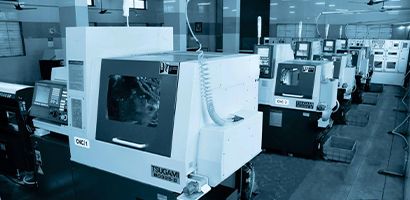
At Jay Ashapura Precision Metals Pvt. Ltd., precision engineering and innovation come together to create outstanding solutions for a global market.
.webp)
Introduction:
In the automotive industry the performance, safety and longevity of vehicles are of paramount importance. One of the crucial elements contributing to these factors is the use of rubber to metal components. These innovative parts are widely utilized in various automotive systems to enhance vehicle performance, reduce noise and vibrations and improve safety. In this blog, we will explore what rubber to metal components are, their applications in the automotive sector, the manufacturing process and why they are essential for modern automotive designs.
What Is Rubber to Metal Components?
Rubber to metal components are parts that consist of rubber bonded to metal substrates. The rubber is typically used for its ability to provide flexibility, damping properties and resilience, while the metal ensures strength, durability and structural integrity. These components are created through a specialized bonding process that ensures a strong connection between the rubber and metal. The combination of these two materials results in parts that are both functional and durable, making them ideal for automotive applications.
The Role of Rubber to Metal Bonding in Automotive Manufacturing:
The primary role of rubber to metal bonding in automotive manufacturing is to provide parts that can absorb vibrations, reduce noise and withstand dynamic forces. Rubber offers excellent damping properties, which are essential for components that must handle stress and vibrations. The metal part of the component provides the strength necessary to maintain structural integrity under load. Together, these materials create components that are both reliable and efficient in a wide range of automotive applications.
Benefits of Rubber to Metal Components in Vehicles:
Rubber to metal components offer numerous benefits to the automotive industry, including:
Key Applications of Rubber to Metal Components in the Automotive Industry:
Rubber to metal components is found in various parts of a vehicle, playing essential roles in ensuring safety, comfort and performance. Some of the most common applications include:
The Manufacturing Process of Rubber to Metal Bonded Parts:
The process of creating rubber to metal bonded components involves several steps to ensure a strong and durable bond between the two materials. Here’s a brief overview:
Challenges and Considerations in Rubber to Metal Bonding:
While rubber to metal bonding offers many advantages, there are also challenges that need to be addressed:
The Future of Rubber to Metal Components in Automotive Design:
As automotive designs continue to evolve, rubber to metal components are expected to play an even more significant role. With the rise of electric and hybrid vehicles, the demand for components that reduce vibrations, noise and wear is higher than ever. Additionally, advancements in material science and bonding technologies are enabling the production of even more efficient, durable and cost-effective rubber to metal components. These innovations will help meet the increasing demands of modern vehicles for improved performance, safety and environmental sustainability.
FAQs:
1. What is rubber to metal components used for?
They are used in automotive parts like engine mounts, suspension bushings and exhaust mounts to reduce vibrations and noise while providing strength and durability.
2. How does rubber to metal bonding work?
Rubber is chemically bonded to metal through vulcanization, creating a strong and durable connection that offers flexibility and strength.
3. What are the benefits of rubber to metal components?
They provide vibration dampening, noise reduction, increased durability and improved safety in various automotive applications.
4. Is rubber to metal components cost-effective?
Yes, they are cost-effective as they reduce the need for additional parts and lower maintenance costs due to their durability.
5. What are some challenges in rubber to metal bonding?
Challenges include ensuring a strong bond, material compatibility and precise manufacturing to prevent failure.
6. Can rubber to metal components be customized?
Yes, they can be customized to meet specific design requirements for different vehicle models.
7. How long do rubber to metal components last?
They are designed to last for many years, but extreme conditions can reduce their lifespan.
8. Are there eco-friendly options for these components?
Yes, sustainable rubber materials and eco-friendly manufacturing methods are available.
9. What is the future of rubber to metal components?
The future includes more advanced materials and bonding technologies, especially for electric and hybrid vehicles.
Conclusion:
Rubber to metal components is integral to the performance, safety and comfort of modern vehicles. By combining the strength of metal with the flexibility and damping properties of rubber, these components contribute to reduced vibrations, noise and wear, enhancing both the driving experience and vehicle longevity. As the automotive industry continues to innovate, rubber to metal bonding will remain a key technology, offering solutions that meet the demands of both traditional and electric vehicles.
Copyrights © 2026 Jay Ashapura Precision Metals Pvt. Ltd.. All Rights Reserved.
Develop By : Design 2 Develop India