15 Mar, 2026
The Role of Precision Machined Parts in Modern Automotive Manufacturing

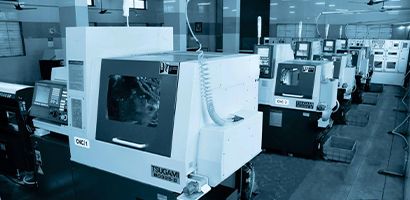
At Jay Ashapura Precision Metals Pvt. Ltd., precision engineering and innovation come together to create outstanding solutions for a global market.
.webp)
1. Introduction:
Behind the beauty of every musical instrument lies a blend of artistry, acoustics and engineering. Among the many elements that influence the tone, playability and durability of an instrument, precision metal components play a critical role. These finely engineered parts enable consistent performance, accurate tuning and structural integrity—essential for both professional musicians and instrument manufacturers.
2. Importance of Metal in Musical Instruments:
Metals like brass, stainless steel, aluminium and nickel silver have been foundational in musical instrument construction for centuries. Whether forming the body of a trumpet or the frets of a guitar, metal components directly impact the acoustic quality, mechanical function and lifespan of instruments.
Today’s musical instruments, whether handcrafted or mass-produced, rely heavily on precisely machined metal components that meet stringent dimensional tolerances and surface finish requirements.
3. What Are Precision Metal Components?
Precision metal components are parts manufactured using high-accuracy techniques such as CNC machining, metal stamping and micro-lathing. These components must adhere to exact specifications, sometimes within microns to ensure seamless integration with the rest of the instrument’s structure.
Examples include:
4. Critical Applications in Instrument Manufacturing:
String Instruments (Guitars, Violins, Cellos)
Wind Instruments (Trumpets, Saxophones, Flutes)
Percussion Instruments (Drums, Cymbals, Xylophones)
5. Key Materials Used in Precision Components:
|
Metal |
Key Characteristics |
|
Brass |
Excellent acoustic resonance, corrosion resistance |
|
Stainless Steel |
High strength, rust-resistant, used in hardware |
|
Aluminium |
Lightweight, corrosion-resistant, ideal for knobs |
|
Nickel Silver |
Hard and wear-resistant, common in frets and keys |
|
Copper Alloys |
Conductive and malleable, used in specialized parts |
Each material is selected based on its mechanical, acoustic and aesthetic properties.
6. How Precision Affects Sound and Performance?
7. Manufacturing Techniques That Ensure Precision:
Modern musical instrument component manufacturing involves:
8. Benefits of Custom Machined Metal Parts:
9. Trends and Innovations in Metal Instrument Components:
10. Conclusion:
From the clarity of a violin’s note to the thunder of a bass drum, precision metal components form the backbone of instrument reliability and sonic excellence. For instrument manufacturers, investing in high-quality custom metal parts is not just a production decision, it’s a commitment to craftsmanship, performance and customer satisfaction.
By partnering with expert metal component manufacturers, brands can ensure their instruments meet the highest standards in tone, durability and design.
Copyrights © 2026 Jay Ashapura Precision Metals Pvt. Ltd.. All Rights Reserved.
Develop By : Design 2 Develop India