15 Mar, 2026
The Role of Precision Machined Parts in Modern Automotive Manufacturing

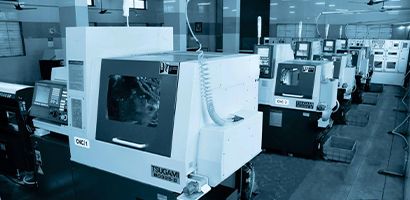
At Jay Ashapura Precision Metals Pvt. Ltd., precision engineering and innovation come together to create outstanding solutions for a global market.
.webp)
1. Introduction:
In today’s interconnected world, manufacturers and exporters of metal components must comply with various environmental and safety regulations. Among the most significant are REACH (Registration, Evaluation, Authorization and Restriction of Chemicals) and RoHS (Restriction of Hazardous Substances) two key European Union (EU) directives designed to safeguard human health and the environment.
For companies involved in producing brass, stainless steel, aluminium, copper and other custom-engineered metal components, understanding and adhering to these standards is critical for accessing and thriving in global markets.
2. What is REACH Compliance?
REACH is a European Union regulation (EC 1907/2006) aimed at improving the protection of human health and the environment from risks posed by chemicals. It covers all chemical substances, including those used in industrial processes and everyday products such as paints, cleaning products and components like metal fittings and connectors.
Key Points of REACH:
For metal component manufacturers, plating’s, coatings and alloys must meet REACH requirements to ensure no harmful chemicals are present or exceed permissible limits.
3. What is RoHS Compliance?
RoHS (Directive 2011/65/EU) focuses specifically on limiting the use of hazardous substances in electrical and electronic equipment (EEE). It aims to reduce environmental impact and health risks by restricting materials such as lead, mercury, cadmium and hexavalent chromium.
Key Restricted Substances Under RoHS:
Any metal components (such as brass terminals, aluminium housings, stainless steel fasteners) used in EEE must comply with RoHS to be legally sold in the EU and other markets that adopt similar restrictions.
4. Key Differences Between REACH and RoHS:
|
Aspect |
REACH |
RoHS |
|
Scope |
All chemical substances in products |
Electrical and electronic equipment only |
|
Purpose |
Protect human health/environment |
Restrict hazardous substances in EEE |
|
Applicability |
All industries |
Electronics and related products |
|
Focus on |
Substances of Very High Concern (SVHC) |
10 specific hazardous substances |
5. Why REACH & RoHS Compliance is Crucial for Metal Component Exporters?
For exporters of metal components used in automotive, electronics, HVAC, aerospace and energy sectors, compliance is no longer optional, it’s a strategic necessity.
6. Impact of Non-Compliance on Metal Component Manufacturers:
7. Steps to Achieve REACH & RoHS Compliance for Metal Components:
8. Jay Ashapura Brass Components: Commitment to Global Standards:
At Jay Ashapura Brass Components, we recognize the importance of global compliance for customer confidence and market success. Our metal products including brass connectors, stainless steel fittings and aluminium components are manufactured under stringent processes ensuring REACH & RoHS compliance. Our ISO 9001:2015-certified facilities ensure consistent quality, traceability and documentation.
By maintaining full compliance, we ensure that our components are ready for global supply chains in sectors such as automotive, electrical, fluid handling, HVAC and industrial engineering.
9. Frequently Asked Questions (FAQs):
Q1. Is REACH compliance mandatory for metal components?
Yes. Any metal component containing regulated substances above the SVHC threshold must comply with REACH before entering EU markets.
Q2. Does RoHS apply to all metal components?
RoHS applies if the metal components are part of electrical or electronic equipment (EEE). Standalone mechanical components may not require RoHS unless integrated into EEE.
Q3. Can one certification cover both REACH and RoHS?
No. REACH and RoHS cover different scopes and require separate declarations, although many companies integrate their documentation processes.
Q4. What industries require REACH & RoHS-compliant metal components?
Electronics, automotive, aerospace, renewable energy, HVAC, medical devices and industrial machinery.
10. Conclusion:
REACH and RoHS compliance is more than a regulatory checkbox, it’s a vital factor for global competitiveness, customer assurance and sustainable manufacturing in the metal components industry. Exporters who prioritize these standards not only unlock access to lucrative markets but also future-proof their operations against evolving environmental regulations.
At Jay Ashapura Brass Components, we ensure our entire product range meets these critical global standards, providing peace of mind to clients worldwide.
Copyrights © 2026 Jay Ashapura Precision Metals Pvt. Ltd.. All Rights Reserved.
Develop By : Design 2 Develop India