15 Mar, 2026
The Role of Precision Machined Parts in Modern Automotive Manufacturing

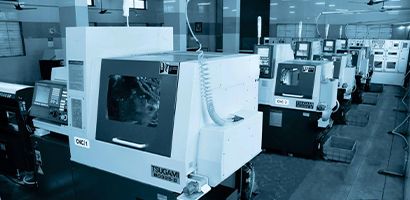
At Jay Ashapura Precision Metals Pvt. Ltd., precision engineering and innovation come together to create outstanding solutions for a global market.
.webp)
1. Introduction:
In today’s demanding industrial environments, hydraulic systems play a crucial role in transmitting power efficiently and reliably. Whether used in manufacturing machinery, construction equipment or heavy-duty transportation systems, these systems depend heavily on the integrity of their components. Among these, hydraulic adapters are pivotal for maintaining system efficiency and most importantly, ensuring leak-free performance. This blog explores the significant role of hydraulic adapters in supporting leak-free operations in fluid power systems.
2. Understanding Hydraulic Adapters:
Hydraulic adapters are specialized components that connect different types of hydraulic hoses, tubes or pipes within a fluid power system. These adapters are designed to match varying thread types, sizes and pressure ratings while maintaining a secure, sealed connection.
Their primary role is to provide flexibility in system design and adaptability in assembling various hydraulic components without causing leakage or performance loss.
3. The Importance of Leak Prevention in Fluid Power Systems:
Leaks in hydraulic systems can lead to:
Ensuring a leak-free hydraulic system is critical for maintaining reliability, reducing downtime and improving operational safety.
4. How Hydraulic Adapters Ensure Leak-Free Operation:
Hydraulic adapters contribute to leak prevention through the following mechanisms:
a) Precision Machining:
High-quality adapters are manufactured to tight tolerances, ensuring perfect alignment and fit. This precision prevents gaps that could cause fluid leaks under pressure.
b) Thread Integrity:
Adapters use thread designs like O-ring Face Seal (ORFS), BSPP or JIC 37° flare, which are specifically engineered to prevent leakage even in high-pressure environments.
c) Material Compatibility:
Proper selection of materials ensures that the adapter withstands the working pressure and is resistant to corrosion, fatigue and deformation.
d) Seal Integration:
Many hydraulic adapters include built-in sealing mechanisms such as elastomeric O-rings or metal-to-metal contact seals to provide extra leak protection.
5. Key Factors to Consider When Choosing Hydraulic Adapters:
To maintain a leak-free system, these factors are essential when selecting hydraulic adapters:
6. Types of Hydraulic Adapters Used in Leak Prevention:
The most common hydraulic adapters for leak prevention include:
Each type is selected based on pressure range, fluid compatibility and installation environment.
7. Material Considerations for Reliable Hydraulic Adapters:
Material selection plays a vital role in ensuring durability and leak prevention:
|
Material |
Features |
Applications |
|
Brass |
Corrosion-resistant, good for low-pressure systems |
General industry, plumbing |
|
Stainless Steel |
High corrosion resistance, strength and durability |
Marine, chemical, food industries |
|
Carbon Steel |
Strong and affordable, suitable for high-pressure use |
Construction, heavy machinery |
Proper material choice ensures long-term leak-free operation in demanding conditions.
8. Best Practices for Installing Hydraulic Adapters:
Even the best hydraulic adapters will fail if not installed properly. Here are installation best practices to prevent leaks:
Regular maintenance checks can also help detect potential issues early and prevent leaks.
9. Conclusion:
Hydraulic adapters are small but critical components in fluid power systems. By ensuring a secure, leak-free connection between hoses, pipes and other hydraulic elements, these adapters play a pivotal role in maintaining system efficiency, safety and reliability.
Proper selection, precision manufacturing and correct installation of hydraulic adapters can help industries avoid costly downtime, environmental hazards and system failures. Whether in construction machinery or industrial processing equipment, the value of high-quality, leak-proof hydraulic adapters cannot be overstated.
10. FAQs:
Q1: Can I mix different thread types using hydraulic adapters?
A: Some adapters allow for mixed thread connections, but it is critical to ensure compatibility to maintain a leak-free system.
Q2: What causes hydraulic adapter leaks?
A: Common causes include poor installation, incorrect thread matching, worn-out seals and using low-quality materials.
Q3: How often should hydraulic adapters be inspected?
A: Regular inspections during preventive maintenance schedules (every 3-6 months) are recommended to detect wear, corrosion or potential leaks.
Copyrights © 2026 Jay Ashapura Precision Metals Pvt. Ltd.. All Rights Reserved.
Develop By : Design 2 Develop India