15 Mar, 2026
The Role of Precision Machined Parts in Modern Automotive Manufacturing

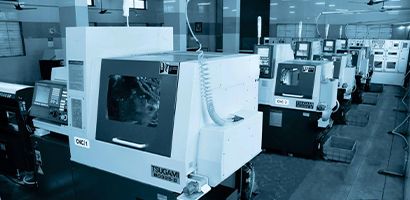
At Jay Ashapura Precision Metals Pvt. Ltd., precision engineering and innovation come together to create outstanding solutions for a global market.
.webp)
1. Introduction:
In the world of precision engineering, the smallest components often make the biggest difference. One such unsung hero is the stainless steel washer, a small but vital part of many high-performance mechanical assemblies. Whether it's aerospace, automotive, marine or industrial machinery, stainless steel (SS) washers play a crucial role in load distribution, vibration damping and long-term reliability.
2. What Are Stainless Steel Washers?
A washer is a thin, disk-shaped component with a hole in the center, typically used to distribute the load of a threaded fastener, such as a bolt or nut. When made from stainless steel, these washers offer excellent corrosion resistance, durability and mechanical strength, making them ideal for demanding environments.
3. Key Properties of Stainless Steel Washers:
Stainless steel washers offer the following essential properties:
4. Why Stainless Steel Washers Matter in High-Performance Applications?
High-performance engineering environments often demand components that can withstand stress, resist environmental degradation and maintain mechanical integrity over time. Stainless steel washers meet these demands by offering:
A. Reliable Load Distribution:
In critical applications, improper load distribution can lead to fastener failure. SS washers help ensure even load spread, protecting the base material and preventing loosening.
B. Vibration Resistance:
Many high-speed or high-impact systems generate vibrations. Washers especially spring or lock types act as a dampening barrier, reducing the risk of fastener fatigue.
C. Corrosion and Chemical Resistance:
Applications in marine, chemical plants or food processing units require components that resist rust and chemical degradation. Stainless steel offers unmatched protection.
D. High-Temperature Performance:
SS washers maintain structural integrity in high-temperature environments, making them ideal for automotive exhaust systems, turbines and heat exchangers.
5. Common Industries That Rely on SS Washers:
Stainless steel washers are vital in several industries:
6. Types of Stainless Steel Washers and Their Functions:
Each washer type is designed for a specific function:
7. Comparing Stainless Steel Grades: 304 vs. 316 vs. 410:
|
Grade |
Properties |
Applications |
|
304 |
General-purpose, good corrosion resistance |
Automotive, HVAC, general machinery |
|
316 |
Superior corrosion resistance, marine-grade |
Marine, chemical processing |
|
410 |
High strength, moderate corrosion resistance |
Heavy-duty industrial use, where hardness matters |
Choosing the right grade ensures optimum performance and cost-efficiency.
8. Choosing the Right Stainless Steel Washer for Your Application:
When selecting stainless steel washers, consider:
Working with a trusted manufacturer ensures material traceability, dimensional accuracy and compliance with international standards (e.g., DIN, ASTM, ISO).
9. Conclusion:
In high-performance engineering applications, stainless steel washers are not just accessories—they're performance enablers. Their reliability, strength and resistance to corrosion make them indispensable in a wide range of industries and critical systems.
Whether you're designing for aerospace or assembling high-load industrial equipment, choosing the right SS washer ensures long-term durability, system safety and engineering excellence.
10. Frequently Asked Questions (FAQs):
1. What is a stainless steel washer used for?
It distributes load, reduces vibration and prevents loosening in fastened assemblies.
2. Why choose stainless steel washers?
They offer excellent corrosion resistance, durability and high strength, ideal for demanding environments.
3. Which SS grade is best for marine use?
316 stainless steel is best due to its superior corrosion resistance in saltwater.
4. Are SS washers available in different types?
Yes—common types include flat, spring, lock and fender washers.
5. Can I get custom stainless steel washers?
Yes, many manufacturers provide custom sizes and grades based on project needs.
Copyrights © 2026 Jay Ashapura Precision Metals Pvt. Ltd.. All Rights Reserved.
Develop By : Design 2 Develop India