15 Mar, 2026
The Role of Precision Machined Parts in Modern Automotive Manufacturing

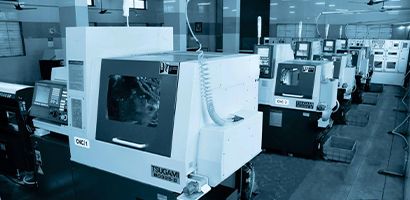
At Jay Ashapura Precision Metals Pvt. Ltd., precision engineering and innovation come together to create outstanding solutions for a global market.
.webp)
1. Introduction:
The rise of electric vehicles (EVs) has triggered exponential growth in the demand for high-performance charging systems. At the core of these systems are EV charging connector pins—small yet critical components that ensure safe and efficient power transfer from the charging station to the vehicle.
Whether you're a procurement specialist, an EV infrastructure developer, or an OEM sourcing engineer, understanding these connector pins is key to optimizing performance, safety and long-term reliability.
2. What Are EV Charging Connector Pins?
EV charging connector pins are electrically conductive metal pins found within EV charging connectors (plugs and sockets). They act as the interface between the EV and the charging station, conducting power and communication signals.
These pins are used in:
Each standard involves different pin counts, shapes and functionalities for AC or DC charging.
3. Why Connector Pin Quality Matters in EV Charging?
Substandard connector pins can lead to:
High-quality connector pins ensure:
4. Types of EV Charging Standards and Their Pin Configurations:
|
Charging Standard |
Pin Configuration |
Charging Mode |
|
Type 1 (SAE J1772) |
5 pins |
AC (Level 1 & 2) |
|
Type 2 (IEC 62196) |
7 pins |
AC / DC Combo (CCS) |
|
CCS Combo 1 & 2 |
7 pins (incl. DC) |
AC & DC Fast Charge |
|
CHAdeMO |
10 pins |
DC Fast Charging |
|
Tesla |
Proprietary |
AC & DC Supercharge |
Each system requires connector pins tailored to their voltage, amperage and communication protocols.
5. Materials Used for EV Connector Pins:
EV connector pins must offer excellent conductivity, mechanical integrity and corrosion resistance. Common materials include:
Tip: The right plating can reduce connector wear and prevent arcing.
6. Key Factors in Selecting the Right Connector Pins:
When sourcing or designing EV connector pins, consider the following:
7. Common Challenges and How to Avoid Pin Failure:
Common issues include:
Solutions:
8. Custom Manufacturing of Connector Pins for EV Applications:
Many EV companies now require custom pin designs to meet evolving standards or proprietary systems. Custom pins are designed based on:
At Jay Ashapura Brass Components, we manufacture custom EV connector pins using high-grade brass, copper, aluminium and stainless steel—all engineered to precise tolerances with RoHS compliance and ISO 9001:2015 certification.
9. Why Partner with a Reliable Connector Pin Manufacturer?
A trusted manufacturer ensures:
This helps reduce lead times, avoid recalls and streamline your EV charging system development.
10. FAQs:
Q1. What material is best for EV connector pins?
A: Brass or copper with silver or nickel plating is ideal for conductivity and corrosion resistance.
Q2. Can connector pins be customized?
A: Yes, manufacturers can develop pins based on drawings or specs for custom applications.
Q3. How often should connector pins be inspected or replaced?
A: Depending on usage, they should be inspected every 6–12 months, especially in fast-charging stations.
Q4. Are these pins RoHS compliant?
A: Reputable manufacturers offer RoHS-compliant, eco-safe connector pins.
11. Conclusion:
EV charging connector pins are vital to the performance and safety of modern EV charging infrastructure. Choosing the right material, shape and manufacturer can make a significant difference in durability, efficiency and compliance.
Whether you’re upgrading an EV station or sourcing pins for a new vehicle platform, opt for precision-engineered, high-quality connector pins that meet international standards and operational demands.
Ready to source custom EV connector pins? Contact Jay Ashapura Brass Components for tailor-made solutions.
Copyrights © 2026 Jay Ashapura Precision Metals Pvt. Ltd.. All Rights Reserved.
Develop By : Design 2 Develop India