15 Mar, 2026
The Role of Precision Machined Parts in Modern Automotive Manufacturing

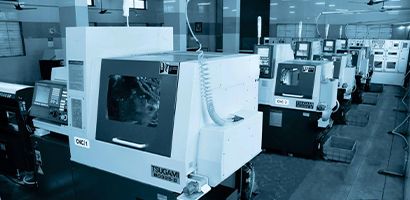
At Jay Ashapura Precision Metals Pvt. Ltd., precision engineering and innovation come together to create outstanding solutions for a global market.
.webp)
1. Introduction:
In modern plumbing systems, durability, reliability and precision are critical. At the heart of this infrastructure lie metal components in plumbing fittings, a key element in ensuring leak-proof, corrosion-resistant and long-lasting fluid systems. This blog serves as a comprehensive guide for understanding the various metal components used in plumbing fittings, their benefits and why choosing the right material matters.
2. What Are Plumbing Fittings?
Plumbing fittings are essential components that connect, extend or terminate sections of a pipe in residential, commercial and industrial systems. These include elbows, tees, unions, adapters, valves and couplings. Metal plays a vital role in enhancing the strength and performance of these fittings.
3. Importance of Metal Components in Plumbing Systems:
Metal components are preferred in plumbing due to their:
Their durability ensures minimal maintenance and enhanced safety in systems where pressure, temperature or water quality could be a challenge.
4. Common Metals Used in Plumbing Fittings:
Brass
Copper
Stainless Steel
Aluminium
Bronze
5. Types of Metal Plumbing Fittings:
Here are some widely used metal fittings categorized by function:
Each fitting type is selected based on the metal's mechanical properties and the application's requirements.
6. Key Applications of Metal Fittings in Plumbing:
7. Advantages of Using Metal Components:
8. Choosing the Right Metal for Your Plumbing Needs:
Selecting the appropriate metal depends on:
For example, brass is versatile and cost-effective, while stainless steel is ideal for critical systems with harsh environments.
9. Metal Components and Sustainability:
As the industry moves toward sustainable practices, metal plumbing components stand out due to:
Using metal fittings supports green building initiatives and LEED certifications in construction.
10. Conclusion:
Metal components in plumbing fittings are indispensable in delivering performance, safety and longevity to plumbing systems across industries. Understanding the types of metals, their properties and applications can help stakeholders from engineers to contractors, make informed decisions for optimized infrastructure.
Whether you're designing a new system or upgrading an old one, investing in precision-engineered metal fittings ensures reliable performance and future-proofing against environmental and operational stresses.
Frequently Asked Questions (FAQs):
1. What are the most commonly used metals in plumbing fittings?
The most commonly used metals in plumbing fittings include brass, copper, stainless steel, bronze and aluminium. Each metal offers specific advantages in terms of corrosion resistance, pressure tolerance and suitability for various fluids and temperatures.
2. Why is brass preferred for plumbing fittings?
Brass is widely preferred due to its excellent corrosion resistance, durability, machinability and suitability for both hot and cold-water applications. It also resists biofouling, making it ideal for potable water systems.
3. Are metal plumbing fittings better than plastic ones?
Yes, metal fittings generally offer superior durability, pressure and temperature resistance and longevity compared to plastic. While plastic may be cheaper and easier to install, metal is often the choice for industrial, high-pressure or high-temperature applications.
4. Where are stainless steel fittings commonly used?
Stainless steel fittings are used in chemical plants, food processing units, marine applications and high-pressure systems where corrosion resistance and hygiene are critical.
5. Can metal fittings be used in drinking water systems?
Yes, brass and copper fittings are commonly used in drinking water systems, provided they are lead-free and meet applicable safety standards (such as NSF or RoHS compliance).
6. How long do metal plumbing fittings last?
With proper installation and environmental conditions, metal fittings can last 40–70 years or more, depending on the material and application. Brass and stainless-steel fittings are especially known for their long service life.
7. Are metal fittings recyclable?
Yes, one of the major advantages of metal fittings is their recyclability. Materials like brass, copper, aluminium and stainless steel are 100% recyclable, making them an environmentally responsible choice.
8. What is the difference between a coupling and a union?
9. What factors should I consider when choosing a metal for plumbing fittings?
Key considerations include:
10. Do metal fittings require special tools for installation?
Yes, installing metal fittings typically requires pipe wrenches, thread sealants or soldering equipment, depending on the type of fitting and metal used.
Copyrights © 2026 Jay Ashapura Precision Metals Pvt. Ltd.. All Rights Reserved.
Develop By : Design 2 Develop India