15 Mar, 2026
The Role of Precision Machined Parts in Modern Automotive Manufacturing

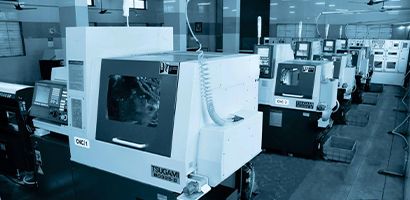
At Jay Ashapura Precision Metals Pvt. Ltd., precision engineering and innovation come together to create outstanding solutions for a global market.
.webp)
1. Introduction:
The global shift toward digital and smart energy management has transformed how utilities monitor and distribute electricity. Smart energy meters are at the core of this transformation—enabling accurate consumption measurement, real-time monitoring and efficient power distribution.
However, what often goes unnoticed is the critical role played by precision metal components in ensuring these meters operate with reliability, accuracy and long service life. From electrical connectors and terminals to sensor housings and contact pins, precision metal parts form the backbone of every smart metering system.
2. Overview of the Smart Energy Meter Industry:
The smart energy meter market is rapidly growing, driven by government mandates, energy efficiency initiatives and the adoption of IoT technologies. These meters communicate data between consumers and utilities, allowing for automated billing, outage detection and energy optimization.
To achieve these functionalities, smart meters require robust, corrosion-resistant and electrically conductive components that can perform under varying environmental and electrical conditions. This is where precision metal engineering becomes indispensable.
3. Why Precision Metal Components Matter in Smart Metering Systems?
Precision metal components are fundamental to the accuracy, safety and durability of smart energy meters. Their importance lies in:
Without such precision, even the most advanced electronic systems can fail to deliver consistent performance.
4. Types of Precision Metal Components Used in Smart Energy Meters:
Smart meters incorporate a wide range of precision-engineered metal parts, including:
Each component must meet strict dimensional and conductivity specifications to ensure consistent performance across millions of installed units.
5. Key Functions of Metal Components in Smart Energy Meter Performance:
a. Signal Transmission and Accuracy:
Precision metal contacts minimize resistance, enabling accurate measurement of electrical parameters such as voltage and current. Poor-quality components can introduce signal distortion or data inaccuracies.
b. Power Efficiency:
Conductive metals like copper and brass reduce power losses, contributing to the meter’s overall energy efficiency.
c. Environmental Protection:
Metal housings and coatings safeguard internal circuits against moisture, dust and temperature extremes—critical for outdoor installations.
d. Structural Integrity:
Metal screws, frames and fasteners provide rigidity and durability, ensuring the smart meter remains stable and vibration-resistant throughout its service life.
e. Long-Term Reliability:
Precision manufacturing ensures that components maintain their shape, fit and function even after years of continuous operation.
6. Material Selection and Manufacturing Considerations:
Choosing the right metal for each component is crucial.
Commonly used materials include:
At Jay Ashapura Brass Components, precision manufacturing techniques such as CNC machining, turning, stamping and threading ensure parts meet the most demanding dimensional tolerances. Each product undergoes ROHS-compliant plating and ISO 9001:2015-certified quality checks to guarantee consistency across production batches.
7. Precision Engineering in Smart Energy Meter Assemblies:
Precision engineering bridges the gap between design intent and functional performance.
Key aspects include:
This combination of mechanical precision and electrical optimization allows smart meters to perform reliably in diverse conditions—from residential complexes to industrial power grids.
8. Why Jay Ashapura Brass Components is a Trusted Partner for Smart Meter Components?
With over decades of engineering excellence, Jay Ashapura Brass Components has become a trusted manufacturer of precision metal parts for global smart metering solutions.
Key strengths include:
By combining material science, precision machining, and engineering design, Jay Ashapura ensures that every component contributes to reliable, accurate and long-lasting smart metering systems.
9. FAQs:
Q1. What types of metal components are commonly used in smart energy meters?
Components such as brass terminals, contact pins, sensor housings and connector fittings are essential for conductivity and mechanical stability.
Q2. Why is brass preferred for many smart meter parts?
Brass offers an ideal balance of conductivity, machinability and corrosion resistance—making it suitable for long-term outdoor installations.
Q3. How does precision manufacturing improve meter performance?
High-precision components reduce electrical losses, ensure accurate readings and minimize assembly issues during production.
Q4. Can smart meter components be customized for specific OEM requirements?
Yes. Jay Ashapura Brass Components provides fully customized solutions based on detailed CAD drawings and performance criteria.
Q5. Are the components environmentally compliant?
All parts are ROHS-compliant, ensuring they meet international environmental and safety standards.
10. Conclusion:
The performance of a smart energy meter depends not only on its electronic intelligence but also on the mechanical precision and material quality of its metal components. Precision-engineered parts ensure stable electrical connections, long-term reliability and consistent data accuracy—making them indispensable to modern metering technology.
At Jay Ashapura Brass Components, precision, performance and partnership come together to power the future of smart energy metering.
Copyrights © 2026 Jay Ashapura Precision Metals Pvt. Ltd.. All Rights Reserved.
Develop By : Design 2 Develop India