15 Mar, 2026
The Role of Precision Machined Parts in Modern Automotive Manufacturing

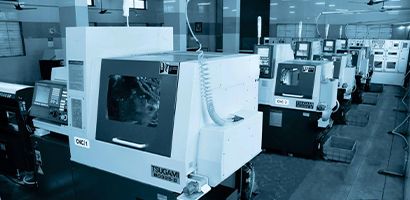
At Jay Ashapura Precision Metals Pvt. Ltd., precision engineering and innovation come together to create outstanding solutions for a global market.
.webp)
1. Introduction:
Anti vacuum valves are essential components in fluid and air systems where pressure differentials can cause operational inefficiencies, safety hazards or even equipment failure. In HVAC, boiler and compressed air systems, these valves prevent vacuum conditions that can result in backflow, system damage or contamination.
Whether you're designing a high-efficiency HVAC system or managing an industrial steam boiler, understanding the role and correct implementation of anti vacuum valves is crucial for long-term performance and safety.
2. What Is an Anti Vacuum Valve?
An anti vacuum valve, sometimes referred to as a vacuum breaker, is a type of backflow prevention device. It works by allowing atmospheric air into a system when a negative pressure (vacuum) is detected, preventing the system from collapsing or drawing in contaminated water or air.
These valves are widely used across plumbing, industrial and HVAC systems to maintain pressure equilibrium and protect equipment integrity.
3. Why Anti Vacuum Valves Matter in Industrial Systems?
Negative pressure can have dangerous consequences:
Anti vacuum valves eliminate these risks by automatically venting air into the system when vacuum conditions arise.
4. Applications of Anti Vacuum Valves in HVAC Systems:
In HVAC (Heating, Ventilation and Air Conditioning) systems, anti vacuum valves serve several purposes:
These valves are particularly crucial in multi-story buildings where elevation changes influence system pressure.
5. Anti Vacuum Valve Use in Boiler Systems:
Boilers operate under variable pressure conditions, particularly during startup and cooldown phases. Anti vacuum valves help by:
Installing anti vacuum valves on steam boilers, condensate tanks and deaerators ensures a smooth operation and longer system life.
6. Role of Anti Vacuum Valves in Compressed Air Systems:
In compressed air systems, maintaining clean and consistent air pressure is critical. Anti vacuum valves are used to:
When integrated into air dryers and tanks, these valves prevent vacuum buildup and maintain proper airflow.
7. Key Benefits of Using Anti Vacuum Valves:
8. Material Considerations: Brass, Stainless Steel & Others:
Choosing the right material is essential based on operating conditions:
Ensure compatibility with your system's pressure range, fluid type and temperature.
9. Selecting the Right Anti Vacuum Valve for Your System:
When choosing an anti vacuum valve, consider the following:
For custom applications, manufacturers like Jay Ashapura Brass Components offer precision-engineered anti vacuum valves tailored to your CAD specifications.
10. FAQs:
Q1: Where should I install an anti vacuum valve in my HVAC system?
A: Install anti vacuum valves at high points of the system or near critical components like heat exchangers or chillers to prevent vacuum conditions during shutdowns or maintenance.
Q2: Can anti vacuum valves be used in both steam and air systems?
A: Yes. Select valves designed for the specific temperature and pressure ratings of steam or compressed air applications.
Q3: What’s the difference between a vacuum breaker and an anti vacuum valve?
A: While often used interchangeably, a vacuum breaker typically refers to devices that allow air into a system to prevent back-siphonage. Anti vacuum valves do the same but are often built with additional safety and shut-off features for industrial applications.
Q4: How do I know if my system needs an anti vacuum valve?
A: If your system is prone to sudden pressure drops, backflow or fluid hammering, it likely needs vacuum protection. Systems with vertical piping, elevation changes or thermal expansion also benefit from these valves.
11. Conclusion:
Anti vacuum valves are critical components in maintaining safe and efficient operations in HVAC, boiler and compressed air systems. By preventing vacuum-related issues such as backflow, system collapse, and contamination, these valves protect your equipment, reduce maintenance and ensure long-term performance.
Whether you're an OEM, system integrator or maintenance professional, investing in the right anti vacuum valve helps ensure compliance, safety and operational efficiency.
Copyrights © 2026 Jay Ashapura Precision Metals Pvt. Ltd.. All Rights Reserved.
Develop By : Design 2 Develop India